Campaign Timeline and Milestone Management for LinkedIn Creator Programs
Operational structure determines success where most LinkedIn creator programs currently fail.
LinkedIn creator marketing spend rose 171% year over year. Fewer than 15% of B2B marketers have run a structured influencer program on the platform. That gap has nothing to do with motivation. It comes down to operations: teams know creator content works, but most don't have a timeline that survives a real contract, a real legal review, or a real creator's calendar.
The failure patterns repeat constantly, and they're specific. A brief goes out five days before the post is supposed to go live, leaving the creator no time to actually understand the product, let alone write about it with any conviction. A post finally publishes, and someone remembers, after the fact, that nobody set up UTM links or defined an attribution window, so measurement gets bolted on late or never happens. Three or four creator collaborations run at once with no shared calendar, so posts land in a cluster one week and go silent the next. Legal gets looped in only after the creator has already drafted copy, so a live campaign sits stuck behind a compliance review that should have cleared weeks earlier. Feedback trickles out across three separate Slack threads the night before go-live because nobody decided who actually owns approval.
Every one of those is the same failure wearing a different costume: a milestone that never got a place on the timeline. Fix the structure, and the symptoms go away on their own. What follows is a phase-by-phase map of where each milestone belongs, what breaks when it's skipped, and how to run several creator relationships at once without losing the thread on any of them.
What a complete LinkedIn creator campaign consists of, from brief to attribution
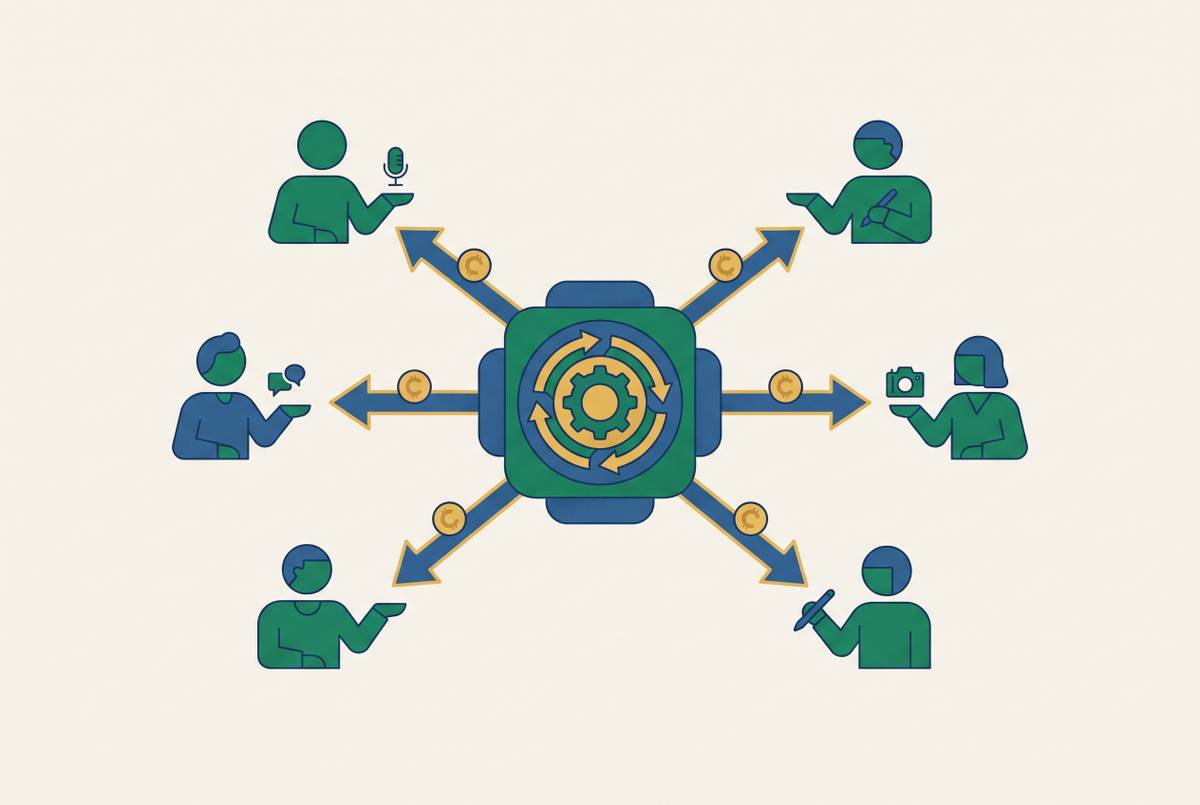
A full creator campaign runs through several stages: strategy and goal-setting, creator selection and vetting, outreach and contracting, briefing and content development, approval and compliance, publication and paid amplification, attribution and reporting, and re-strategy. Favikon's B2B Creator Loop frames this as a loop rather than a checklist, and that framing is the right one. Stage eight, re-strategy, feeds straight back into stage one. Teams that treat the process as linear run individual campaigns. Teams that treat it as a loop build something closer to a program, and that difference is the whole point of this piece.
A campaign and a program are not the same thing. Treating them as interchangeable is where most measurement problems start. A campaign is one activation, one creator, one moment in time. A program is a repeating system across multiple creators that shares the same milestones and the same measurement standards, cycle after cycle. Data cited in ContentGrip's pulse, sourced from TopRank, found that teams not running an always-on approach are 17 times more likely to report their program as ineffective. That gap is too large to write off as noise. Episodic effort and a continuous system produce different results, full stop, and most of the performance gap between B2B creator programs traces back to which one a team is actually running.
Three things get left out of most teams' mental model of "a campaign," and they get left out almost every time. Creator research rarely gets its own phase; teams jump straight to outreach without first defining who they're even looking for. Attribution setup gets treated as something to patch together after a post goes live, instead of a milestone locked before anything publishes. And almost nobody schedules a formal re-strategy session to carry lessons from one cycle into the next. The rest of this piece breaks down each phase on its own terms.
Phase 1: Strategy and creator selection, the decisions that determine the timeline's shape
Everything starts with one decision made before a single creator gets looked at: what, specifically, is this campaign supposed to accomplish? Brendan Gahan's framework, cited in Favikon's guide, puts customer research ahead of creator research, and skipping that order means every creator decision made afterward rests on a guess about the audience rather than data about it. Skipping it means the whole timeline downstream gets built on a guess.
The goal shapes everything else. A pipeline goal, demo requests or MQLs, calls for different creators, different formats, and a different measurement window than a thought-leadership goal does. Enterprise sales cycles in B2B commonly run six to twelve months, so the attribution window has to get defined during strategy, not after the post is already up. B2B purchases typically involve six to ten stakeholders and more than twenty touchpoints before anyone signs anything. Knowing that number upfront changes how many creators a program actually needs, how often they should post, and what counts as a real result at the 30, 60, and 90-day marks.
Creator selection criteria belong here, in Phase 1, not Phase 2, where most teams default to handling them. That misplacement alone costs weeks later. Audience role composition beats follower count almost every time: a creator with a modest following made up mostly of VPs of Engineering will outperform a generalist with triple the audience and none of the relevance. Vertical fit counts for a lot too. Technology and SaaS, financial services, HR and recruiting, cybersecurity, and enterprise software are among the categories where LinkedIn creator campaigns tend to show the strongest traction. And niche scarcity needs an honest budget line: in FinTech and cybersecurity especially, the pool of creators with real practitioner credibility runs thin, so sourcing deserves more runway than teams typically allow.
Before Phase 1 closes, five things need to exist in writing: a specific goal (not "raise awareness"); a documented audience role profile; written creator candidate criteria; a chosen attribution model along with the tracking infrastructure it requires; and a budget range benchmarked against what creators in that vertical actually charge. Teams routinely give Phase 1 a week and hand six weeks to content production. That ratio should sit much closer to even, because a thin strategy phase produces a brief with no spine, and that weakness causes rework in every phase that follows.
Phase 2: Discovery, vetting, and outreach, where timelines most often break down
This is the phase teams underestimate the most, and it's usually where the schedule starts slipping first.
Finding a creator whose audience actually overlaps with a specific buying committee, not just a broad industry category, takes more than typing a keyword into a search bar. LinkedIn's Creator Marketplace, which launched June 10, 2026, gives marketers a filterable directory built into Campaign Manager, and it earns its keep for a first pass. But it still doesn't offer performance benchmarking in the interface, so real vetting still means pulling outside data or running a manual audit by hand. Real vetting still means pulling outside data or running a manual audit by hand. In premium niches like FinTech, cybersecurity, or enterprise supply chain, the pool of creators with genuine practitioner credibility stays small, and the good ones get pickier about which partnerships they take.
A handful of milestones need to sit inside this phase, not float around undefined. A candidate list gets compiled, sized to whatever response rate and fit filter the team expects. Audience composition gets verified for each name: role, seniority, and industry breakdown. Engagement quality gets checked by looking at who's actually commenting. Prior brand relationships get reviewed for exclusivity conflicts or category overlap. And the shortlist gets internal sign-off before anyone sends a single outreach message.
Outreach follows its own sequence: personalized first contact first, since generic, templated messages see response rates drop sharply, then a discovery call covering the goal and rough timeline, then verbal interest confirmed, with buffer time built in for candidates who never respond or fall through later. The milestone most teams skip entirely is a formal "creator confirmed" gate that sits before contracting starts. Skipping it means legal ends up reviewing drafts for creators who never actually committed, wasting hours and manufacturing a false sense of urgency. When several creators run in parallel, stagger the outreach in cohorts instead of blasting everyone at once. Simultaneous responses pile up at contracting and briefing, and that pileup slows the entire program, not just one collaboration.
Phase 3: Contracting and compliance, the operational bottleneck that makes timelines fiction
Contracting earns its own dedicated block on the timeline. It should never sit as a footnote squeezed between outreach and briefing.
Legal review cycles at mid-market and enterprise B2B companies routinely take anywhere from one week to several months, depending on deal size and compliance complexity. If contracting doesn't start the moment verbal interest gets confirmed, it becomes the critical path holding up go-live, no matter how fast the creative side moves. FTC endorsement disclosure rules, LinkedIn's own sponsored content labeling requirements, and any category-specific compliance around financial services, healthcare, or regulated software need review before a word of content gets drafted, not after. Payment terms matter here too: creators left unclear on when they'll get paid tend to deprioritize the deliverable, and that later causes a missed deadline nobody can quite explain.
Five things need to be locked before this phase closes. A contract with deliverable specifics spelled out: number of posts, format (text, carousel, video, eligibility for Thought Leader Ads), posting dates, and any exclusivity window. Disclosure and compliance language agreed on both sides. Content rights and usage terms defined, including whether and for how long the brand can amplify the post through paid ads. A payment schedule documented, whether milestone-based, on-publication, or net terms. And the contract countersigned, the only event that formally starts the briefing clock. Nothing before it counts.
Treating the contract as a formality that can get finalized "while the creator writes" is a common shortcut, and it backfires reliably. Any disagreement that comes up mid-production stalls the content and damages the relationship right when trust matters most.
Phase 4: Briefing and content development, where creative direction and timeline discipline intersect
The brief itself functions as a milestone, a document that gets tracked, not emailed and forgotten. It should land in the creator's inbox on day one after countersigning. Any delay here eats straight into the creator's production window and raises the odds the first draft feels rushed, because it was. A brief with real structure cuts down revision rounds. A vague one guarantees them, and each extra round adds meaningful days to the schedule.
A brief built to actually hold a timeline together needs specific components: the campaign goal stated in a single sentence describing what the reader should do or believe after reading this; the target audience defined by exact role, seniority, and pain point; the key message and mandatory proof points, covering what the creator needs to convey without dictating how to say it; content format specified up front, since format changes production time significantly; a hard deadline for the first draft; the number of revision rounds the contract actually permits; attribution assets, the specific UTM-tagged link, offer code, or landing page URL, confirmed before the brief goes out, not requested after a draft comes back; and the exact disclosure language required, word for word.
Production time varies by format, and planning for the short end of the estimate is how timelines slip. A text post takes less raw production time, but forming a genuine point of view still takes real thought, not two rushed hours between meetings. A carousel runs design-dependent and often needs a separate design pass. Video takes longest of all, once filming, editing, and caption review are factored in.
LinkedIn's B2B creator research found that 82% of B2B buyers said creator content directly influenced their purchase decisions. That kind of influence only happens when the content reads as genuinely the creator's own voice. The brief has to leave room for that voice inside clear strategic guardrails, rather than handing over a script to read.
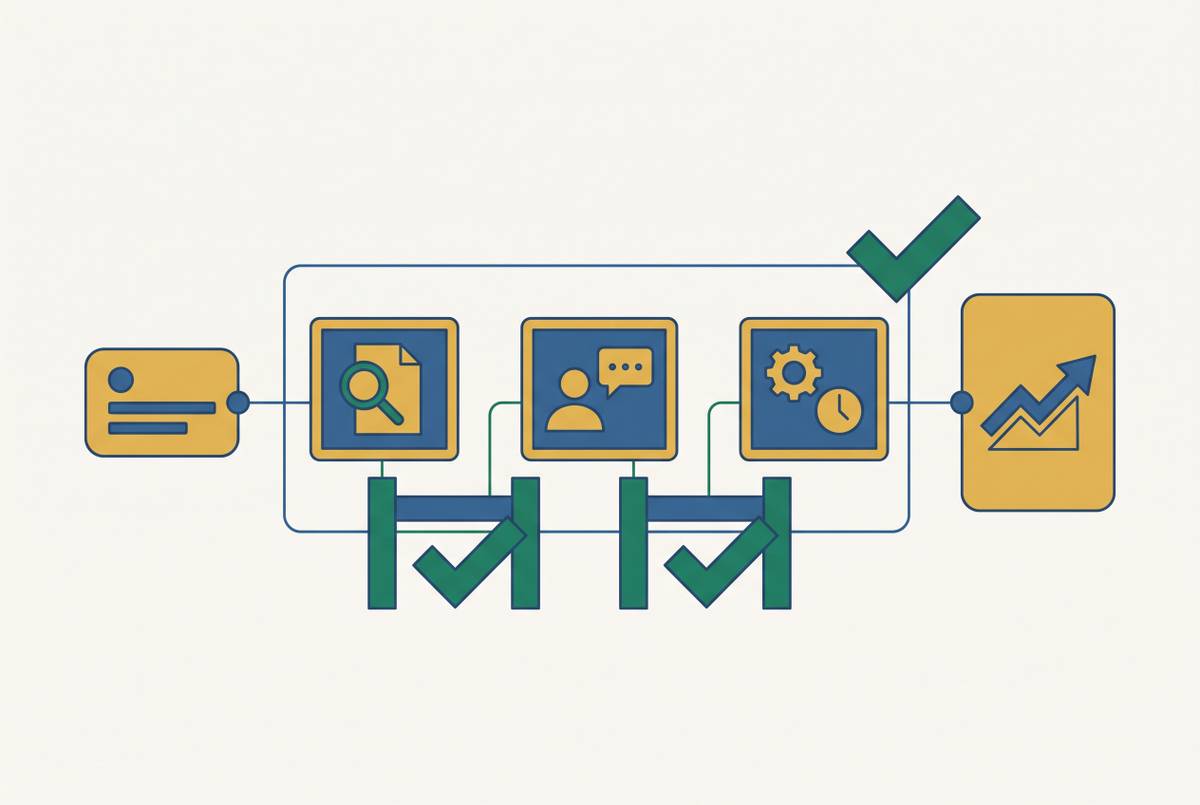
The milestone sequence for this phase runs: brief delivered on day one, creator confirms receipt and understanding by day two or three, first draft submitted, internal review completed by one named reviewer (a review committee is exactly where timelines quietly die), feedback consolidated into a single document instead of scattered notes, revised draft submitted, final approval granted.
Phase 5: Publication, amplification, and the attribution setup that must happen before go-live
Attribution is the milestone teams miss most often, and it's almost always a setup problem, not an analysis problem. Creator-specific links, CRM fields, and reporting windows need to exist before publication, not get reconstructed after the fact. Retrofit attribution once a post is already live, and a B2B creator campaign ends up with no usable data, full stop. TopRank's data, cited in ContentGrip's pulse, found that 47% of B2B marketers name measuring and reporting results as a top challenge, and that's largely a symptom of missing infrastructure going in, not a failure of analysis coming out.
Before anything publishes, five things need to be in place. UTM parameters finalized and actually tested, covering campaign, source, medium, and a creator identifier. The landing page or offer destination live and confirmed to be tracking correctly. A CRM field or campaign tag created so any inbound lead tied to that creator gets flagged at the source. An attribution window defined and written down: given six to twelve-month enterprise sales cycles, a 30-day last-click window will undercount a creator's real influence by a wide margin. And baseline metrics captured ahead of time, like pipeline velocity or the MQL rate for that period, so there's something real to compare against later.
Publication timing is its own milestone too. Posting time should get agreed with the creator directly, since engagement on LinkedIn shifts by day and hour, and that detail belongs in the brief or gets locked at final approval. For programs running multiple creators at once, a shared editorial calendar keeps posts from landing on top of each other, splitting audience attention and making it nearly impossible to tell which post drove what.
Paid amplification counts as its own milestone after publication, separate from the organic post itself. LinkedIn's Thought Leader Ads let a brand put budget behind a creator's own post while keeping the creator's name attached, and any decision to use that tool, along with the usage rights and duration it needs, should already be settled back in the Phase 3 contract, not negotiated after the post is already performing well.
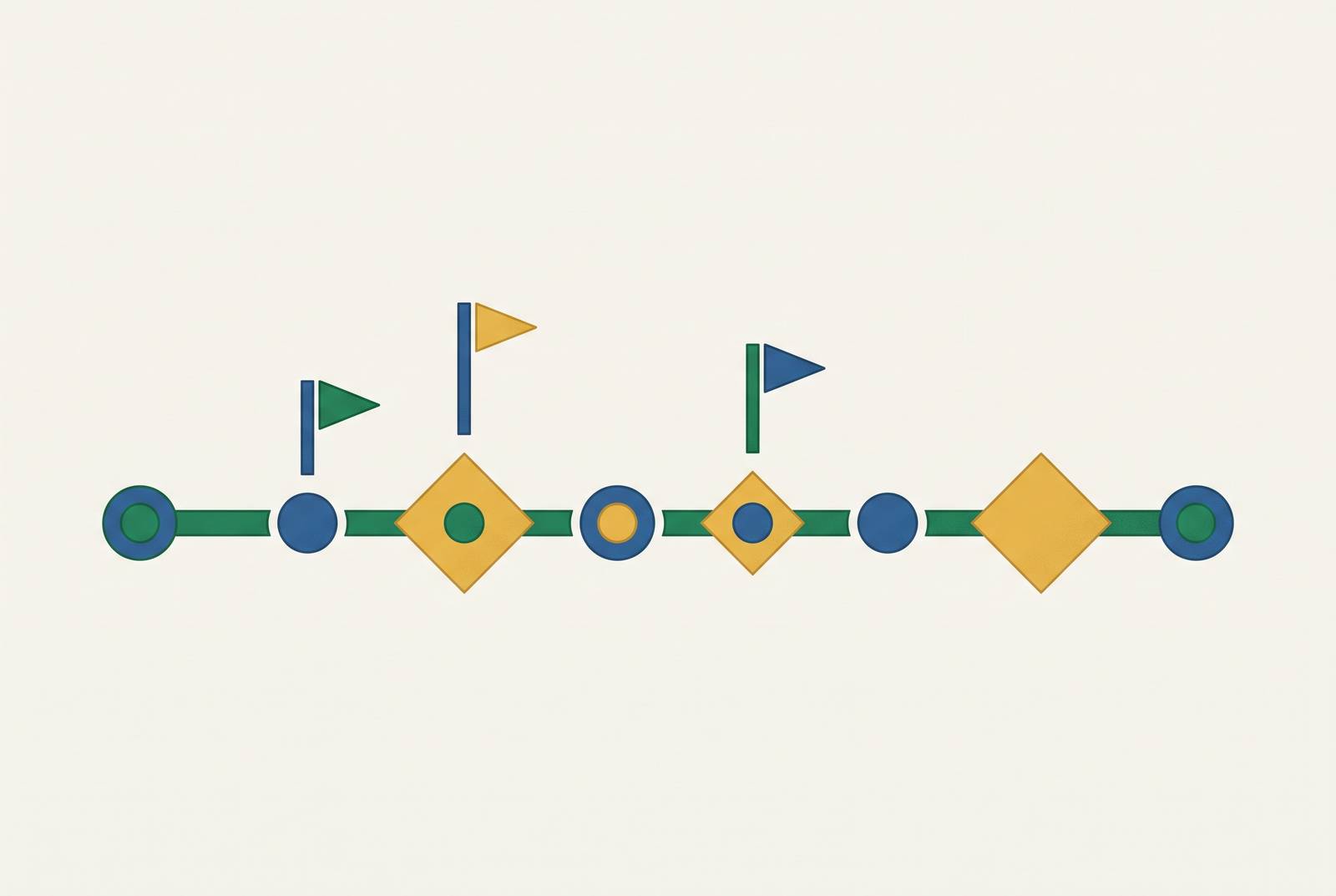
None of this is complicated in concept. It comes down to five phases, a defined set of milestones inside each one, and discipline about sequencing that most teams haven't built yet. The framework won't rescue a bad creator match or a hollow strategy, and it isn't meant to. What it does is give a real strategy the infrastructure it needs to actually show up as a result.