FTC Disclosure Requirements for LinkedIn B2B Sponsored Posts
B2B LinkedIn sponsorships require FTC disclosures just like consumer posts.
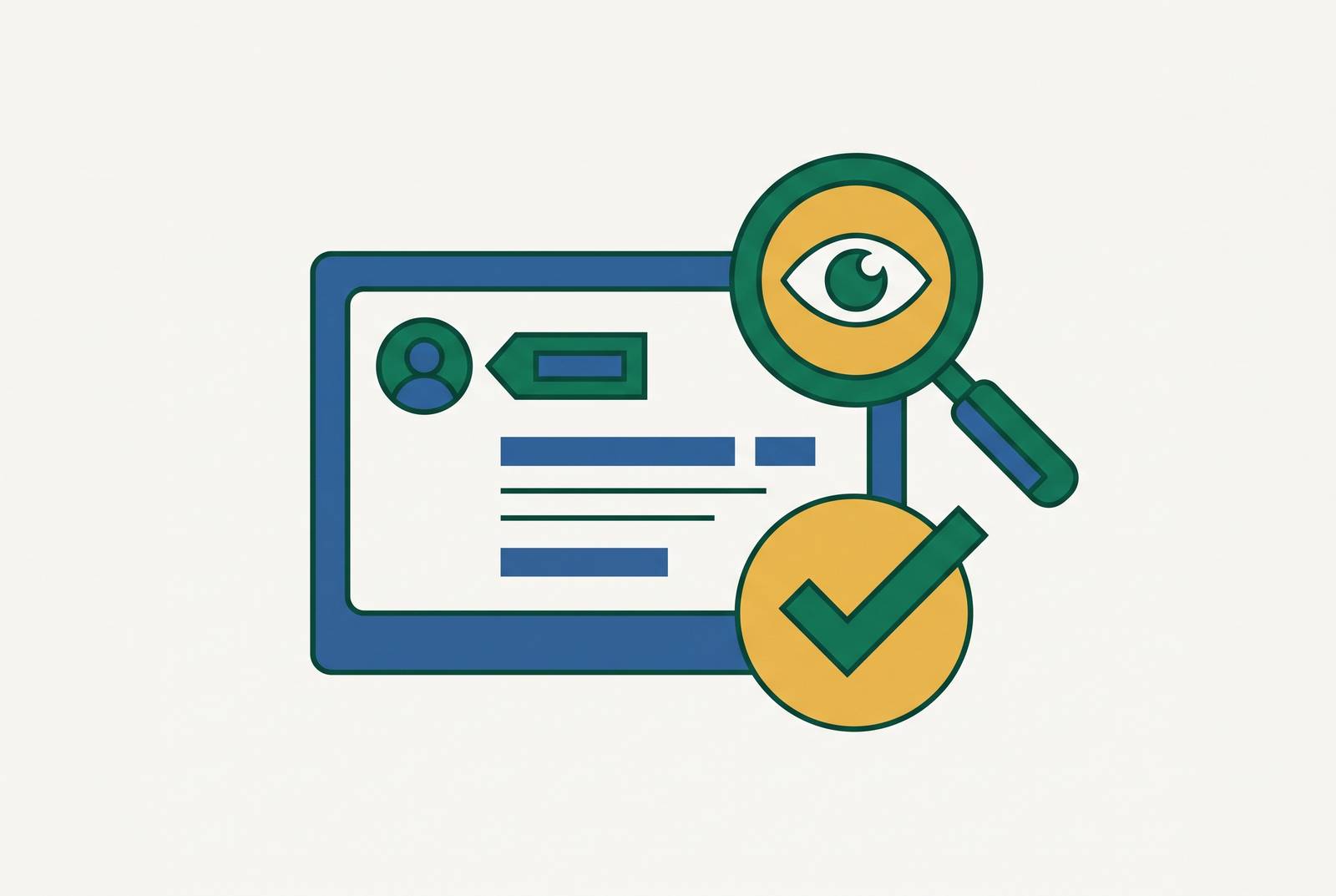
FTC disclosure requirements apply to every LinkedIn creator campaign a B2B brand runs, including consumer-facing influencer posts most compliance teams have in mind. The rules cover any material connection between a brand and an endorser, and the FTC has never carved out an exception for procurement audiences or professional buyers.
Why FTC disclosure rules apply to B2B LinkedIn sponsored posts
Marketing managers running LinkedIn creator programs often assume disclosure law is a consumer-marketing concern that applies to skincare hauls and protein powder codes but not to a sponsored carousel from an industry analyst, an assumption that is wrong and costly. The FTC's Endorsement Guides at 16 CFR Part 255, updated in July 2023, cover any material connection between a brand and an endorser regardless of whether the audience wears a hoodie or a badge to a trade show. The 2023 revision was the FTC's largest update in over a decade, and it was written specifically to close loopholes around social media, virtual influencers, and AI-generated or synthetic endorsers.
The financial exposure is direct and it multiplies fast. Both brands and creators face enforcement when disclosures fall short; per Flooencer's B2B compliance guide, penalties hit $53,088 per violation in 2025, adjusted annually for inflation. In a campaign with ten or more creators, a small percentage of non-compliant posts creates liability for the entire program: Flooencer notes that even a single non-compliant creator out of many exposes the whole program, and that exposure spreads to dozens of posts.
B2B carries a reputational risk that consumer marketing doesn't share in quite the same way. Enterprise buyers research vendors for weeks or months before a single sales call, and a disclosure violation tied to a LinkedIn creator post can undercut credibility a sales team spent years building, with damage that reaches well past the offending post itself. This isn't a niche risk confined to a handful of aggressive marketers testing the edges of creator marketing. The 2025 LinkedIn-Ipsos B2B Marketing Benchmark found that most B2B marketers already use creator marketing on LinkedIn or plan to adopt it soon, and compliance pressure will climb as the practice becomes standard operating procedure.
What counts as a material connection in B2B LinkedIn content
Everything in this framework rests on one concept: material connection. Any relationship between a creator and a brand that could affect how an audience weighs the creator's opinion triggers a disclosure requirement, and the FTC applies a structural test rather than a subjective one. The question the FTC asks is whether knowing about the relationship would change how the audience interprets the endorsement, not whether the relationship actually swayed the creator's opinion.
That structural test sweeps in more than the obvious cases. Monetary payment in any form triggers disclosure, whether it's a flat fee, a per-post rate, a revenue share, or an affiliate commission. Free or gifted products count too, even when no post was required and regardless of dollar value: the FTC has explicitly rejected any de minimis exception for small gifts. Affiliate links and discount codes that generate creator earnings count. So does exclusive access: early product releases, beta access, and invitations to brand events all create a connection the audience needs to know about. Employment and business relationships count as well, covering contractor agreements, advisory roles, and equity stakes, along with family or personal relationships with brand founders or executives.
Several of these categories get overlooked constantly in B2B specifically, and they carry real liability. A founder or C-suite executive holding equity who posts about the company on LinkedIn has to disclose that equity stake on every single piece of content. Employee advocacy programs create the same obligation: employees promoting the company's products on their personal accounts must disclose that they work there. Advisory board members compensated in equity or cash who publish thought leadership touching the brand fall under the same rule, and so do Thought Leader Ads promoted from non-employee accounts, a capability LinkedIn expanded in March 2024. Promotion status through the ad platform doesn't substitute for disclosure language in the post itself.
LinkedIn also carries a risk with no real parallel on Instagram or TikTok. Where those platforms are mostly exposed through inflated follower counts, LinkedIn surfaces unverifiable professional claims, credentials, results, and career outcomes that, when amplified through paid sponsorship, can expose brands to FTC scrutiny and to securities-adjacent misrepresentation and industry regulator action.
What "clear and conspicuous" means in practice on LinkedIn
Knowing what triggers disclosure only solves half the problem. The disclosure also has to be visible in a way regulators recognize, and this is where most campaigns actually break down. The FTC defines "clear and conspicuous" as a disclosure a reasonable consumer would notice and understand given the format and context of the content. If a reasonable viewer could scroll through the entire post without ever seeing the disclosure, it fails the test, full stop.
Some language is safe to use. "Advertisement," "Ad," "#ad," "Sponsored," "Sponsored by [Brand]," "Paid partnership with [Brand]," and "Thanks [Brand] for the free product" all satisfy the FTC's standard. Other language needs to be stripped from every brief and contract a brand issues. Terms like "ambassador," "partner," "collab," "sp," "spon," and "gifted" have all been named by the FTC as too vague to count. Collab" and "partner" fail to clearly communicate a financial relationship, and the average viewer will not pause to consider whether "partner" means paid sponsorship or brand affinity.
LinkedIn makes this harder than it needs to be, because the platform has no native paid partnership label as of 2026. Instagram has its "Paid partnership with" tag, TikTok has a commercial content toggle, and LinkedIn has neither, so there's no built-in mechanism that satisfies FTC requirements on its own. Compliance has to be built manually into the post itself, and where it appears matters as much as what it says.
The placement rules differ by format, and getting them wrong is the single most common way campaigns fail. For a standard feed post, the disclosure needs to sit at the very beginning of the caption, before LinkedIn's "see more" truncation kicks in, because anything after that point is invisible to most scrollers. For video content, disclosure needs to be both spoken in the voiceover and shown as on-screen text, since audio-only disclosure fails anyone watching muted. LinkedIn articles need the disclosure at the top, ahead of any other content. Carousel PDFs need it on the first slide: a disclosure sitting on slide four of a carousel is functionally invisible to a viewer who never gets that far. Thought leadership posts, including those pushed through Thought Leader Ads, follow the same upfront-text rule, and running the post through the ad platform doesn't replace the need for disclosure language written into the post itself. Disclosure has to live in the post text, not buried in a comment thread, and tagging the company's page or linking to its profile doesn't count as disclosure either.
None of this is a matter of best practice or brand preference. The FTC's own guidance for social media influencers states that a disclosure "likely to be missed if they appear only on an ABOUT ME or profile page, at the end of posts or videos, or anywhere that requires a person to click MORE" doesn't count as having been made.
Brand-side accountability and the limits of creator compliance
Everything up to this point has covered what a compliant post looks like. Responsibility for keeping the post compliant falls on the brand, not the creator alone.
Under the 2023 FTC Endorsement Guides, brands are liable for non-disclosure whenever they knew, or should have known, that a creator wasn't disclosing properly. Claiming ignorance of a creator's posting habits doesn't work as a defense. That standard has already produced a real enforcement case: M1 Finance was fined $850,000 in 2024 over influencer violations tied to posts that weren't properly supervised, a penalty that shows inadequate monitoring creates liability on its own, separate from the missing disclosures themselves.
Liability runs jointly between brand and creator, so a brand can't hand off its compliance responsibility through a contract clause and call the job done. A signed creator agreement the brand never actually enforced offers little protection, because the FTC expects documented follow-through: signed contracts, records of pre-publication approval, ongoing post-publication monitoring, and logs showing corrective action when something goes wrong.
The gap between approval and what actually stays live gives creators room to strip disclosures after a brand has signed off on the draft. Creators can edit captions or strip out disclosures after a brand has already signed off on the draft, so a monitoring gap after publication is itself a compliance gap. If a creator's "personal experience" with a product turns out to be AI-assisted or fabricated rather than genuinely lived, that can constitute a deceptive endorsement under the FTC's endorsement and fake-review framework, spanning both the 2023 Guides and the 2024 Rule targeting fake and AI-generated reviews. Creator agreements need language requiring disclosure of AI-assisted production and barring fabricated first-person claims outright.
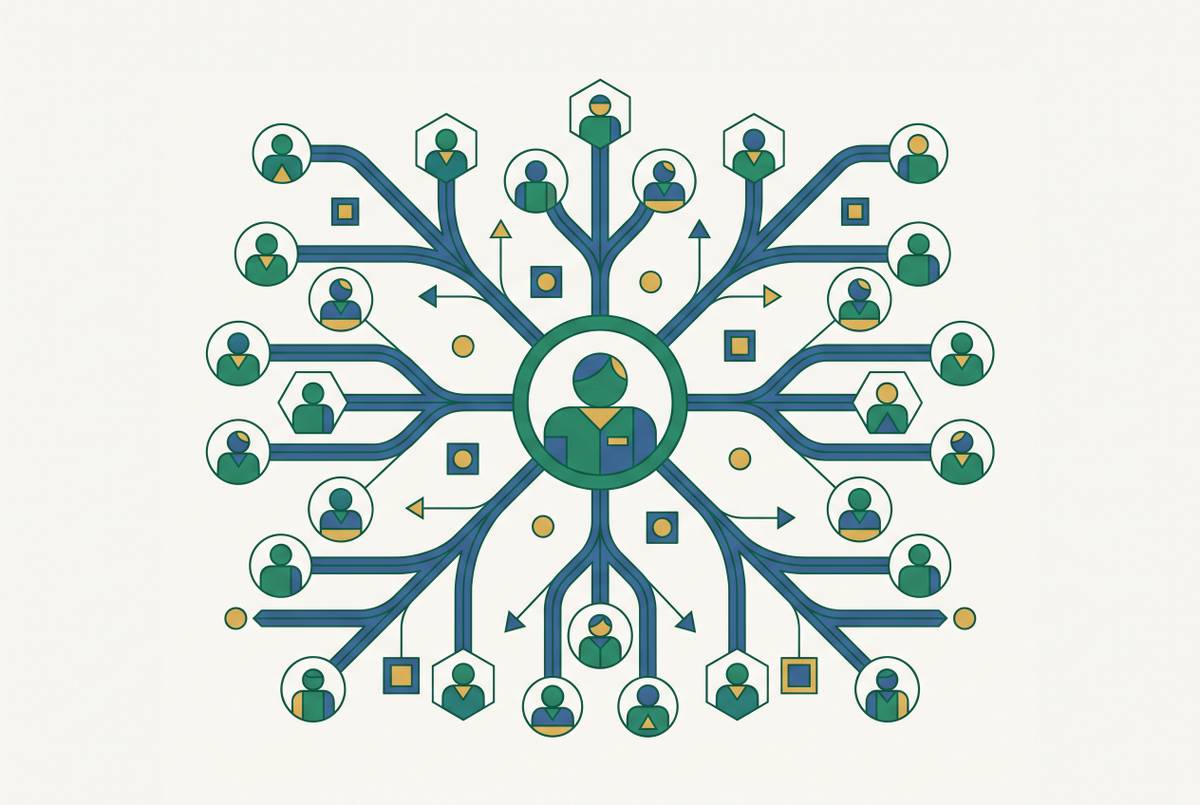
Scale is where all of this becomes unmanageable without a system behind it. In a campaign running ten or more creators, a small fraction of non-compliant posts creates liability across the entire program, and even one non-compliant creator in a large roster is enough to create exposure for everyone involved. Manual spot-checking and good faith don't hold up at that scale. Operational infrastructure built into the campaign from the start is the reliable answer, and the brief and the contract are where that infrastructure starts.
Building compliance into the campaign brief, not bolted on at the end
Compliance failures almost never start with a creator deliberately ignoring the rules. They start earlier, with a brief that never told the creator what compliance actually looks like. The most common failure across LinkedIn creator campaigns is ambiguous or missing disclosure, and it traces back to creators guessing at what counts as compliant because the brief left it vague.
The fix is specificity, written into the brief as explicit instruction rather than general encouragement. Every brief for a sponsored post needs the exact disclosure phrase spelled out, something like "Sponsored by [Brand]" or "#ad," never a soft instruction to "disclose appropriately". It needs a precise placement instruction too, telling the creator to open the post with that phrase before any other text, including before a link preview loads. Format-specific rules should match the deliverable, since carousel instructions and video instructions aren't interchangeable, and a brief should include visual examples showing what a compliant post actually looks like inside LinkedIn's real interface, not a mockup. The brief should also explicitly prohibit the vague terms the FTC has already flagged, ruling out "partner," "collab," and "ambassador" used on their own. Where AI-assisted content creation is permitted at all, the brief needs a clause requiring the creator to disclose that fact and barring any fabricated first-person experience claims.
A brief asking for "authentic thought leadership about our platform" without any of that mechanical detail isn't a compliant brief, no matter how carefully the creative direction is written. Specificity is what actually protects the brand, not tone guidance. The brief is also the right place to head off LinkedIn's particular professional-claims risk: creators should be barred from making unverifiable professional outcome claims on the brand's behalf, given how exposed LinkedIn content is to both FTC scrutiny and securities-adjacent misrepresentation.
Contract clauses that protect both brand and creator across a multi-post campaign
A brief sets expectations. A contract is what gives the brand the ability to act when those expectations aren't met, and a creator agreement for a LinkedIn campaign needs to do more than restate that disclosure is legally required. It needs to hand the brand real tools to enforce compliance both before a post goes live and after, spelling out the minimum contract provisions for FTC compliance laid out in IQFluence's September checklist and Elev8or's guide.
At minimum, the contract should spell out disclosure requirements with exact language and placement rules matched to each deliverable type, rather than pointing vaguely at "FTC guidelines" and assuming the creator will interpret them correctly. It should give the brand the right to withhold payment for non-compliance, which creates a direct financial reason for the creator to get disclosure right the first time. It should include the right to demand corrections or removal of non-compliant content, covering not just posts that were wrong from the start but posts that were compliant at approval and got edited afterward. Audit rights matter too: the brand needs the ability to review creator content at any point during the campaign and after it wraps, and the contract should place an ongoing obligation on the creator to monitor their own content for continued platform compliance rather than treating approval as a one-time event.
An AI content disclosure clause belongs in every agreement now. If a creator uses AI assistance in drafting posts, the contract should require disclosure of that to the brand and, where applicable, within the content itself, with fabricated first-person experience claims contractually barred outright. One more clause closes a gap many brands miss: the creator's material connection to the brand needs disclosure on every piece of content related to the brand during the campaign period, not just the formally contracted deliverables, which covers organic mentions the creator posts on their own initiative.
Brands working through a managed service or an influencer marketing platform don't get to outsource this liability either. The brand remains responsible for that platform's compliance failures, so contracts with agencies or platforms need the same disclosure verification language, along with audit rights over how that platform actually runs its workflow.
The approval and monitoring workflow that keeps a live campaign compliant
A brief and a contract set the rules. A workflow is what actually enforces them once a campaign goes live, and this is the phase most brands skip, usually the exact phase where liability like the M1 Finance case actually materializes.
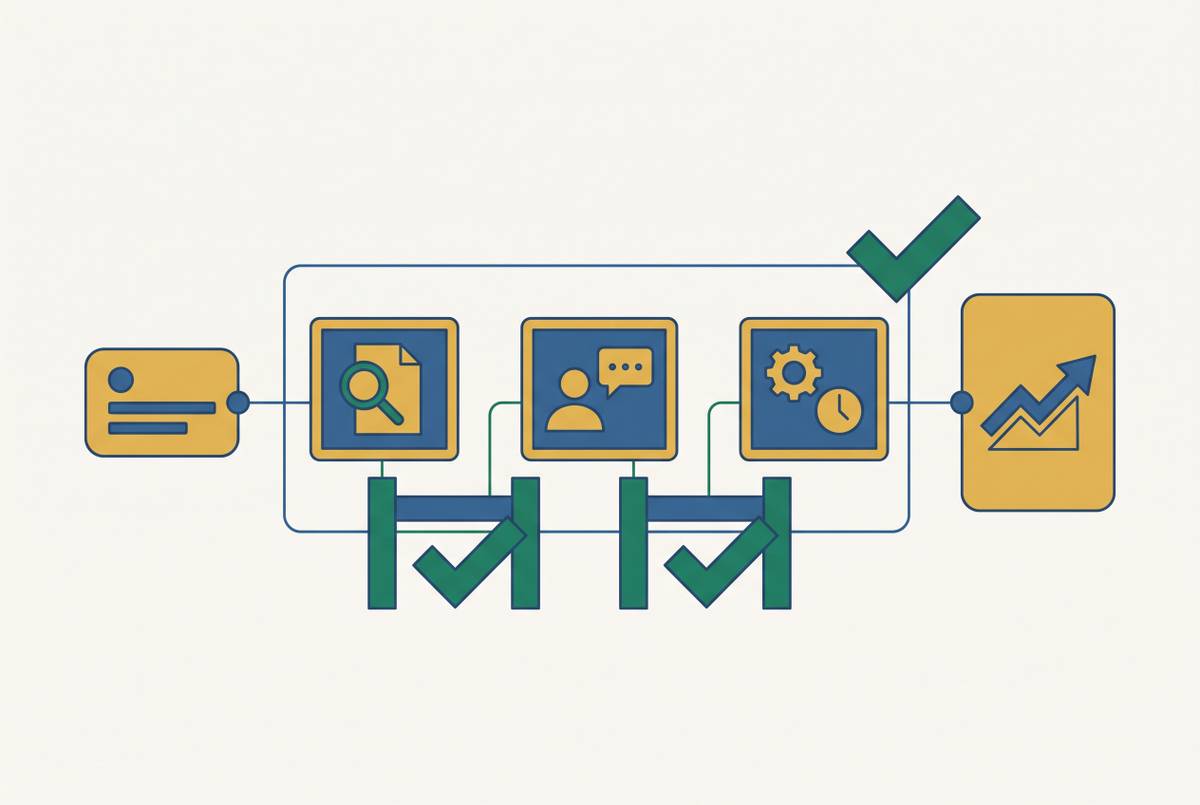
A pre-publication approval process confirming disclosure is present before a post goes live is the baseline the FTC expects brands to run, but reviewing a draft isn't enough on its own. Creators can modify posts after approval, and platform formatting can obscure disclosures, so reviewing draft content is necessary but not sufficient. The pre-publication checkpoint needs to be a dedicated compliance verification step, kept separate from creative review, confirming that disclosure is present, uses the exact approved language, and appears before any truncation point in LinkedIn's interface, following the pre-publication compliance checkpoint laid out in Elev8or's guide and Flooencer's framework. Video deliverables need a check that both the spoken voiceover and the on-screen text carry the disclosure. Carousel PDFs need verification that disclosure sits on the first slide specifically, not somewhere later in the deck. A screenshot with a timestamp of the approved, compliant version should be saved for every post, since that record becomes the brand's defense if the post is edited after it goes live.
Monitoring can't stop once a post is published. Spot-checks in the first days after publication catch the window when creators are most likely to quietly edit a caption, and periodic checks should continue through the life of the campaign, especially for posts still circulating or getting re-shared weeks later. When a non-compliant post turns up live, the brand needs a documented corrective action process: require an immediate fix, and log both the original violation and the correction made. A correction made after the fact doesn't erase liability for the period the post was live and non-compliant, but a documented response is part of what protects the brand if the FTC or a regulator ever comes asking.