How to Verify a LinkedIn Creator's Audience Matches Your ICP
Audience composition beats follower count when picking B2B creators for real pipeline impact.

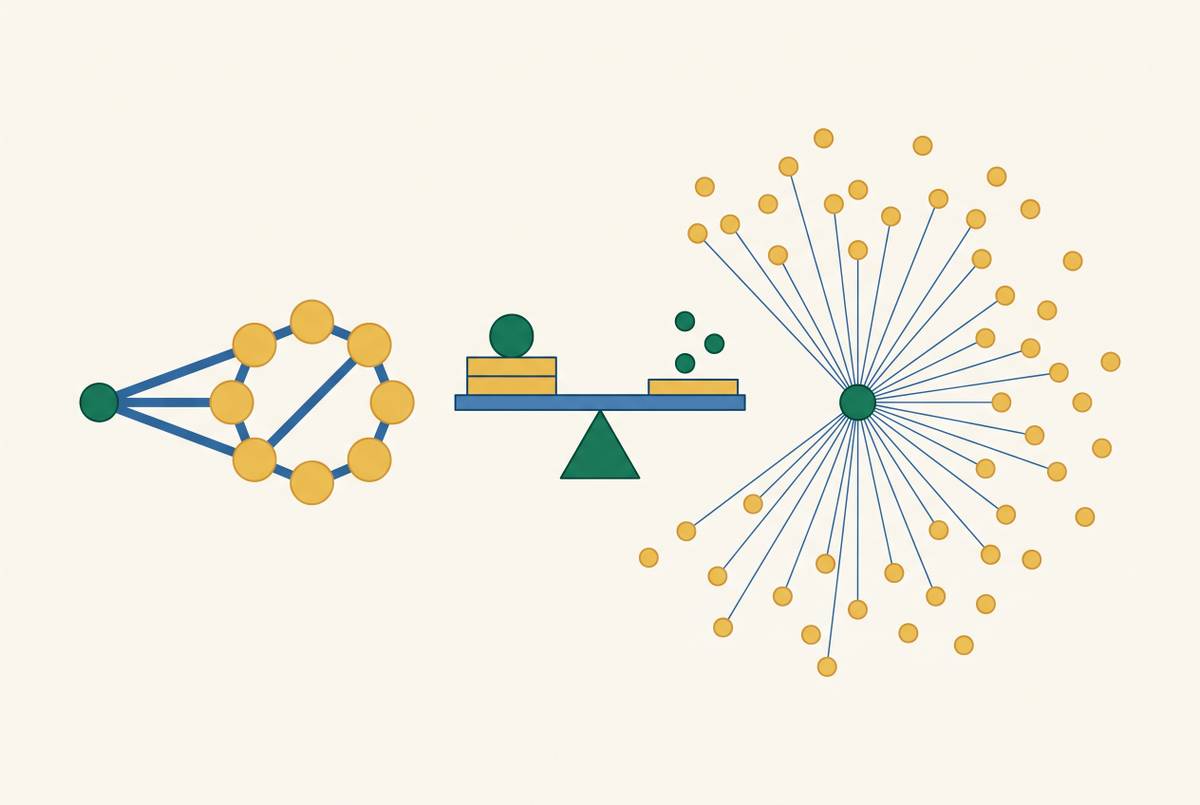
Most B2B teams pick creators the way they pick anything on the internet: sort by followers, glance at engagement rate, sign the invoice. That instinct is borrowed from consumer influencer marketing, and it breaks down fast in B2B, because reach and reactions measure exposure to a general population, not exposure to the specific buying committee you're trying to move. A creator with 80,000 followers and a 4% engagement rate can still deliver zero pipeline if those followers are students, recruiters, and people in the wrong industry entirely. What predicts pipeline is audience composition, not audience size: the share of a creator's following that actually matches your buyer persona, a number I'll call ICP density for the rest of this piece. A smaller, concentrated audience beats a bigger diffuse one, consistently, and the market has gotten competitive enough that picking wrong now costs real money. Per the LinkedIn and Ipsos 2025 B2B Marketing Benchmark, 55% of B2B marketers already run creator marketing on LinkedIn, and another 29% plan to start within the year. As more budget chases the same creators, the cost of a bad pick only goes up.
What ICP-fit actually means in the context of a LinkedIn creator's audience
Topical alignment is not audience fit. A creator writing sharp SaaS commentary can still have a following stacked with junior developers, career switchers, and students who will never sit in a buying meeting. ICP fit lives in four dimensions, and all four need to check out.
Job title and function come first: does the audience actually contain the roles that show up on your buying committee, or just adjacent-sounding titles? Seniority is separate from that. Directors and VPs behave differently than individual contributors, and a creator popular with the latter isn't going to move the former no matter how good the content is. Industry and vertical matter too. Does the audience cluster in the sectors you sell into, or is it scattered across unrelated fields with no real center of gravity? And company size gets overlooked constantly. An enterprise software seller needs followers who work at enterprise companies; a tool built for ten-person startups needs founders and generalists at ten-person startups. Mismatch that dimension and the engagement rate stops mattering.
Geography is a fifth filter, and it only matters when the campaign is regional or tied to a sales territory. Worth checking, not always worth weighting heavily.
Here's why LinkedIn is even the right place to ask these questions in the first place. Members self-report their job title, employer, and seniority as part of using the platform, which creates a demographic layer that Instagram and TikTok simply don't have. Per LinkedIn's 2025 B2B Creator Marketing Research, 59% of B2B buyers consume creator content on LinkedIn specifically, and 82% say that content directly shapes their decisions. That same self-reported professional data feeds into creator analytics, which means ICP verification is actually possible here in a way it isn't most other places. The rest of this piece is about how to pull that data, read it correctly, and use it before a dollar of budget moves.
How to request the audience data you actually need from a creator
The data lives in LinkedIn's native analytics dashboard, available to any creator who's turned on Creator Mode. It breaks followers down by job title, function, seniority, industry, company size, and geography. That's the real source. Everything else, media kits, self-reported summaries, is a paraphrase of that data at best.
So ask for the dashboard directly. A screenshot or export of the follower demographics panel, not a creator's own description of their audience. Specifically, you want:
- Seniority breakdown: what percentage sits at Director level and above
- Job function distribution: which functions show up most among followers
- Industry breakdown: the top five industries by follower share
- Company size distribution: followers broken out by employer headcount
- Geographic concentration, if the campaign has a regional angle
Frame the ask as standard pre-campaign diligence, not an accusation. Creators who've done B2B sponsorships before expect this request and usually have the screenshots ready. Tell them exactly which dashboard panels you need rather than making them guess what "audience data" means; that alone cuts a lot of back-and-forth. If a creator declines outright, or hands over a media kit instead of raw analytics, don't disqualify them on the spot, but treat it as a yellow flag worth a follow-up question.
LinkedIn's Creator Marketplace, which launched in June 2026, helps cut down on cold outreach. It surfaces audience size, composition notes, and reach data right inside Campaign Manager, so you're not starting every relationship from zero. Treat it as a first-pass filter, though, not the final word; you still want the full demographic screenshots before committing spend. If you're using a third-party marketplace to discover creators instead, look for one that lets you filter by audience demographics directly rather than one that makes you request the data manually after you've already found someone interesting, platforms such as Naano, a B2B LinkedIn creator marketplace, surface audience-fit filters at the search stage. Fit should be searchable up front, not a step you bolt on later.
Reading the demographic data: thresholds and red flags
There's no universal cutoff here. What counts as good ICP density depends entirely on who you're selling to, not on some industry-wide standard. That said, a few benchmarks make the read faster.
If you're targeting economic buyers, Director-level and above should make up a meaningful majority of the audience within the relevant function. If most of the audience sits in early-career or individual-contributor bands, the seniority fit is weak, even when the job function looks right on paper. Flip that if you're targeting practitioners or end users instead: heavy individual-contributor concentration is a feature there, not a problem. Match the threshold to whoever actually drives the purchase in your specific sales motion.
Industry and company size deserve the same scrutiny. For vertical software or enterprise tools, the top two or three industries in the breakdown should include your primary target verticals; if they don't, move on. Company size mismatch is the sneaky one. A creator whose audience skews small-business is the wrong vehicle for an enterprise campaign, full stop, no matter how engaged that audience is.
A few patterns should disqualify a creator outright or at least drop them several spots on your list:
- Seniority dominated by students and entry-level roles, which usually means the creator's reach is aspirational rather than practitioner-driven
- Geographic concentration that doesn't match your target market, especially with no localization plan
- Industry spread so wide that no single vertical clears a meaningful share
- A follower count that grew fast without matching engagement from senior roles, often a sign of padding or a viral moment that pulled in the wrong crowd
Don't round up. A creator can look strong on three of the four dimensions and still be the wrong pick if the fourth is off; all four need to be directionally right before a B2B campaign has a real shot.
Using comment thread analysis to pressure-test what the demographics show
Demographics tell you who's following. They don't tell you who's paying attention. A creator can have exactly the right seniority and industry mix on paper and still have an audience that scrolls past everything without reading a word, which is why comment threads matter as a separate check, not a footnote to the demographic data.
Click into two dozen comments on a handful of recent posts and check the job titles and seniority of the people actually showing up. Then look at what they're saying. Substantive pushback, war stories, specific follow-up questions: that's practitioner engagement. A wall of "great post!" and clapping emojis is passive consumption, and it doesn't convert. Also check whether the creator responds. A real back-and-forth with senior commenters signals an actual community; silence from the creator suggests a broadcast channel dressed up as a conversation.
Here's the qualitative signal the raw numbers miss entirely: a creator with a smaller following where the visible commenters skew Director-level and above is worth more to a B2B brand than a creator with double the following and diffuse, generic engagement, even when the two look nearly identical in the follower demographics panel. Posts that generate real debate track more closely with demo requests down the line than posts that just rack up likes.
Scroll back through at least 90 days of posts while you're at it. Topical consistency is its own signal; a creator who chases every news cycle tends to build an audience that doesn't share much of a professional identity at all. And watch for repeat names. If the same senior commenters show up across multiple posts, that's the strongest sign you'll find that this creator has real, sustained influence over the kind of people you're trying to reach.
Off-platform signals that corroborate — or undercut — a creator's claimed authority
Per LinkedIn's 2025 B2B Creator Marketing Research, 87% of B2B buyers say they prefer content from credible industry creators. Credibility isn't something a follower count manufactures; it's built over a career, and it should show up somewhere other than the LinkedIn feed.
Look for citations in trade press or analyst research within your vertical. Look for speaking slots, not at general marketing conferences, but at the specific events your buyers actually attend. Podcast appearances on shows with a documented practitioner audience count too. And ask the most basic question of all: is this person a working VP, founder, or senior operator writing from inside the field, or a content professional writing about the field from outside it?
That last question matters more than it sounds. A working practitioner who publishes their thinking in public tends to attract peers, people at a similar career stage, wrestling with the same problems day to day. A skilled writer covering a field they don't actually work in tends to attract a more aspirational, more junior crowd, even when the topics look identical from the outside. Demographic data alone won't always surface that difference. Track record will.
One caveat worth flagging directly: LinkedIn's Top Voice badge is partly awarded through its collaborative articles program, which rewards editorial contributions, not necessarily original audience-building. The badge tells you LinkedIn has validated some topical expertise. It does not tell you the creator's audience matches your buyer. Use it as a first-pass filter, if at all, and verify everything else independently.
Two traps that make audience fit look better than it is
Two setups quietly inflate how good a creator's ICP fit looks on paper, and both are worth checking before you sign anything.
The first is subscription fragmentation. Some creators split output between a free public feed and a gated, paid tier. If that's the case, the audience your sponsored post actually reaches isn't the same audience consuming that creator's best, highest-trust material; it's whoever's left on the free feed. A creator with 60,000 LinkedIn followers may see that dynamic shift once subscriptions launch: the deepest content often moves behind the paywall, the free feed fills in with lighter material, and senior-level engagement on that free feed tends to thin out, since that's not where the substantive conversation is happening anymore. Ask directly: what share of this creator's real output is gated, and where exactly will the sponsored post run?
The second trap is staleness. LinkedIn's follower demographics are cumulative. They include everyone who's ever followed the account, including people who followed two years ago and haven't engaged since. A creator who changed topics six months back can still show a follower breakdown that looks perfectly aligned with your ICP, while their actual current audience, the people reading and commenting today, looks nothing like that snapshot. Cross-check the demographic panel against the comment thread analysis from the previous section. If recent comments don't resemble the demographic breakdown at all, trust the comments more.
Both traps come from the same root problem: a static number can't tell you how an audience behaves right now. That's exactly why the demographic check, the comment analysis, and the off-platform verification all need to happen together. None of them substitutes for the others.
Structuring a go/no-go decision before any budget is committed
These checks don't need a rigid order. They do all need to happen before a contract gets signed, so it helps to run them as a repeatable gate rather than a one-off gut check.
Score each creator across the four dimensions that actually matter: job title and function fit, seniority fit, industry and company size fit, and engagement quality as shown in the comment threads. Simple as that sounds, writing the score down forces a real decision instead of a vibe.
Some findings should stop a campaign outright. Seniority skewed heavily toward entry-level roles is one. An industry spread so wide that no target vertical has real representation is another. A creator who won't share native analytics at all belongs on this list too; that's not a data gap you work around, it's a refusal worth taking seriously. Other issues are softer, geographic mismatch on a campaign that isn't regionally sensitive, for instance, and can be weighed rather than treated as disqualifying.
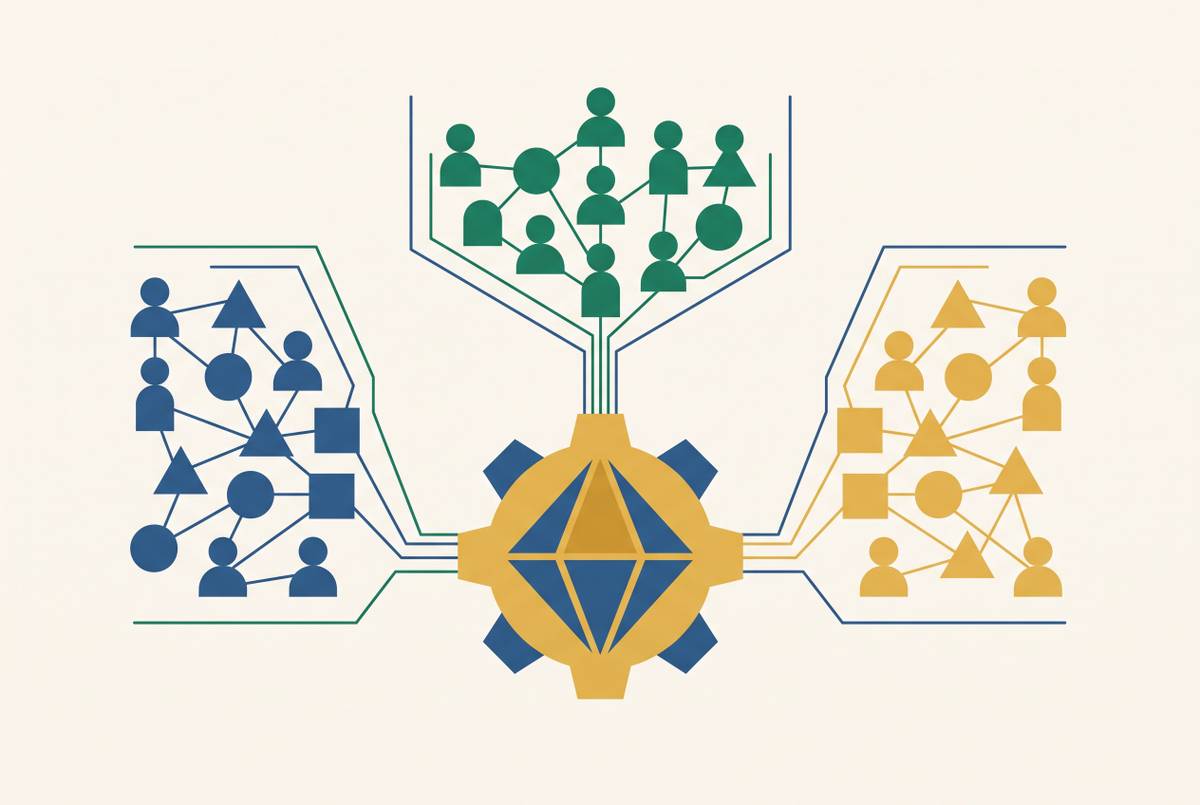
Either way, the sequence is the same: pull the demographics, read them against real thresholds, pressure-test with the comment threads, corroborate off-platform, and only then move money. Skip a step and you're back to sorting by follower count and hoping for the best.