Always-On Creator Campaigns vs. Burst Campaign Models for B2B LinkedIn
Always-on creator presence builds trust that burst campaigns convert into pipeline momentum.

The question comes up in nearly every budget meeting: should the team commit to always-on creator work, or save the spend for the product launch? That framing treats always-on and burst as two competing philosophies, as if a marketing team has to pick a side and defend it. They're two tools built for two different jobs inside the same pipeline, and treating them as competing philosophies or rivals is the reason so many creator programs underperform.
A buying journey in B2B stretches across months, sometimes most of a year. No single campaign, no matter how well produced, can reliably catch every buyer at the exact moment they're ready to act. Teams running three burst activations a year, spaced out around a launch or a conference, are running three separate, expensive experiments rather than a real creator channel, and each one only works for the buyers who happen to be close to a purchase decision when the campaign happens to fire. Everyone else, the buyers who are six months out, gets nothing.
That framing error carries a real cost. Teams that skip the always-on layer are far more likely to report that their creator programs just aren't working. Burst without an always-on foundation under it is structurally incomplete for almost any B2B pipeline goal worth having.
Roles of Always-On and Burst Campaigns
Once the two models stop competing for the same budget line, their separate jobs become clear. Always-on builds the credibility that makes a buyer reachable. Burst takes that credibility and concentrates it at a specific commercial moment.
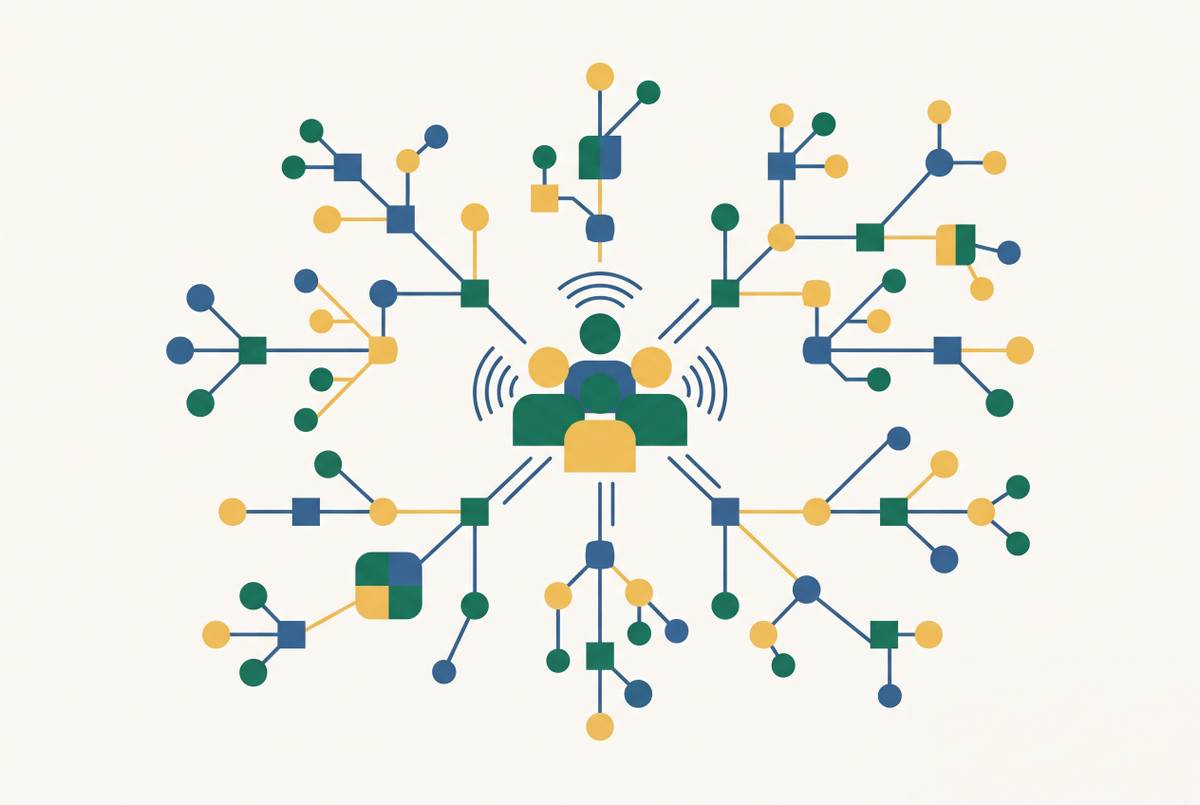
Always-on is ongoing, relationship-based creator work. A creator publishes commentary, shows up at events, advises on research, or tests the product, and does it across several months and several formats, not one post and done. The point is to build familiarity across the whole buying committee over time, because buyers form opinions about companies long before they ever talk to sales. The channel has to already be present before anyone opens a buying window, not scrambling to get there after. On LinkedIn specifically, a creator who shows up consistently with useful insight gets noticed. That recognition is what lowers a buyer's guard when the actual purchase decision shows up. Always-on fits best where consideration cycles run long, where buying committees are large and split across departments, and where buyers need to see proof more than once before they'll act.
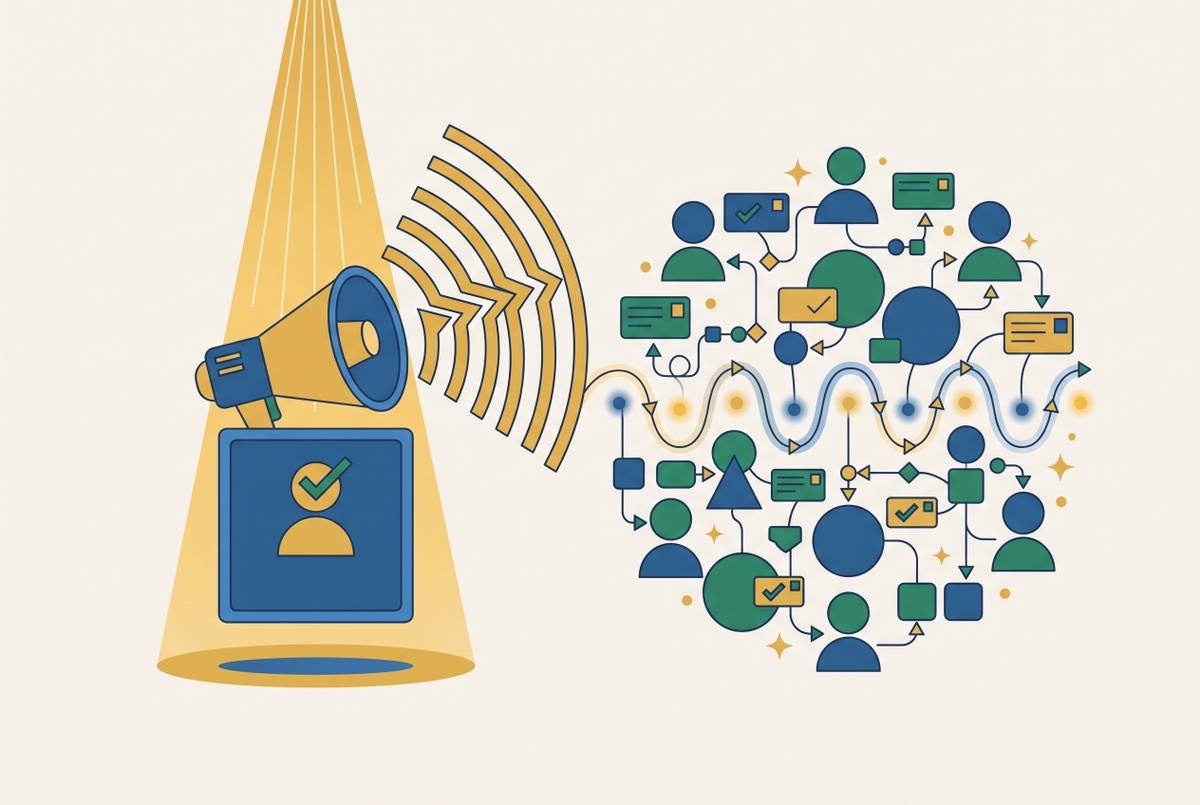
Burst is the opposite: short, intense, and tied to a specific event. It's concentrated creator content built around a product launch, a major industry event, a proprietary research release, or a window where a competitor has stumbled and buyers are suddenly open to alternatives. Burst earns its budget when there's a real external trigger giving buyers a reason to act now, not just a reason to notice the brand exists. And burst depends on an audience that already knows the brand. Dropping a burst campaign on a cold audience produces awareness and nothing more, while dropping the same campaign on an audience already warmed up by months of creator presence moves consideration into action.
Why buying cycle length makes always-on the structural default
A buying journey that runs most of a year can't be served by a campaign with a start date and an end date. That mismatch makes always-on the structural default in B2B, a structural fact, with burst serving as a complement to it.
Picture a prospect who sees a creator mention a product in January. That prospect might not start a sales conversation until the following autumn. Any campaign that wrapped up back in February has already missed the moment that mattered, because the conversation didn't start until months later. The credibility built up by a creator showing up consistently across all the months in between is what actually influences that late-stage decision, not the campaign content the brand paid to run in January.
That's a late-stage trust signal, not a top-of-funnel awareness signal, and trust like that only gets built by a creator who's been around long enough to earn it.
That finding changes how a program should be funded. Always-on creator relationships need to be budgeted as infrastructure, something that keeps running, not as a campaign line item with an expiration date. TopRank's data backs this up: among the most advanced B2B influencer programs, most now carry a dedicated influencer budget they expect to keep growing. The market has already caught up to this structural reality.
The usual objection is budget: "we can't fund creator work year-round." That objection doesn't hold up. Three or four niche creators with high ICP density, a high share of followers who actually look like the target customer, cost less combined than one macro-tier creator, and they outperform on the metrics that matter for pipeline. The B2B creator-led growth report found niche and micro experts on LinkedIn get roughly three times the engagement rate of macro creators. A smaller, tighter audience is what makes always-on affordable even at mid-market budgets.
The legitimate jobs burst campaigns do, and the condition that makes them work
None of this makes burst a lesser tool. Burst campaigns do real work, but only under one condition: they have to land on an audience that already knows the brand through creator content, not one meeting it for the first time.
A product launch gives buyers a concrete reason to look again. A major industry event creates a moment where attention naturally concentrates. A proprietary research release gives a creator something credible to comment on. A competitor stumbling or losing ground opens a window where buyers who were previously settled start considering alternatives. All of these are legitimate triggers. None of them are the point.
The point is what separates a burst campaign that converts from one that just racks up impressions: whether the audience has already built some baseline trust with the brand through creator content. A burst campaign hitting a cold audience is a brand awareness exercise, nothing more. The same campaign hitting an audience already inside a creator's trusted community becomes a pipeline acceleration move, because the groundwork is already there to accelerate.
The teams getting real value from burst treat it as an investment in a relationship that keeps going, not a campaign with a hard stop. The research, the event content, the product material that gets created during a burst activation becomes material a creator can keep referencing and linking back to for months after the burst window closes, feeding straight back into the always-on layer.
How creator selection determines whether either model delivers pipeline
The choice between always-on and burst matters less than the choice of creator. A creator whose audience doesn't look like the buying committee produces reach, not pipeline, no matter which model runs the campaign.
ICP density, the share of a creator's audience that actually resembles the brand's ideal customer, is the variable that drives return, not follower count. The B2B creator-led growth report found that when a creator genuinely fits the ideal customer profile, return on investment reached as high as 20 to 1. That multiplier comes from the audience matching the buyer, not from how the program was structured. LinkedIn and Ipsos's data backs this up directly: the top criteria B2B marketers use to pick creators are authenticity and credibility, followed by industry relevance, brand alignment, and subject matter expertise. Follower count doesn't crack the top four.
The practical result: three or four micro-tier creators with high ICP density will beat a single macro-tier voice on pipeline metrics, and cost less combined to run. Audience fit isn't just a strategic call, it's a budget efficiency argument. And the opportunity here is larger than most teams realize. The B2B creator-led growth report notes that roughly nine in ten B2B-relevant creators have never run a paid sponsorship. The most credible, most ICP-matched voices in most categories are sitting untapped, which makes creator selection both the biggest opportunity in the channel and the hardest operational problem to solve well.
That problem looks different depending on the model. For always-on, selection is a long-term relationship call: can this creator sustain genuine, varied engagement with the brand's subject matter across months and different formats, not just execute a single brief. For burst, selection is a precision call: which voice does the buying committee already trust on the specific topic the campaign is addressing, right now.
Finding and vetting creators by ICP fit at this level is itself an operational task, and it's where tools built for creator discovery earn their place. Platforms like Naano, which track clicks, leads, and pipeline attribution across creator campaigns, make audience fit something a team can check and measure using data on follower counts and engagement.
Measuring always-on and burst campaigns against the same pipeline standard
Always-on and burst appear differently on a dashboard, but both can and should be held to the same standard: pipeline, not engagement. That requires measurement infrastructure built around how long B2B deals actually take to close, not borrowed wholesale from consumer influencer playbooks.
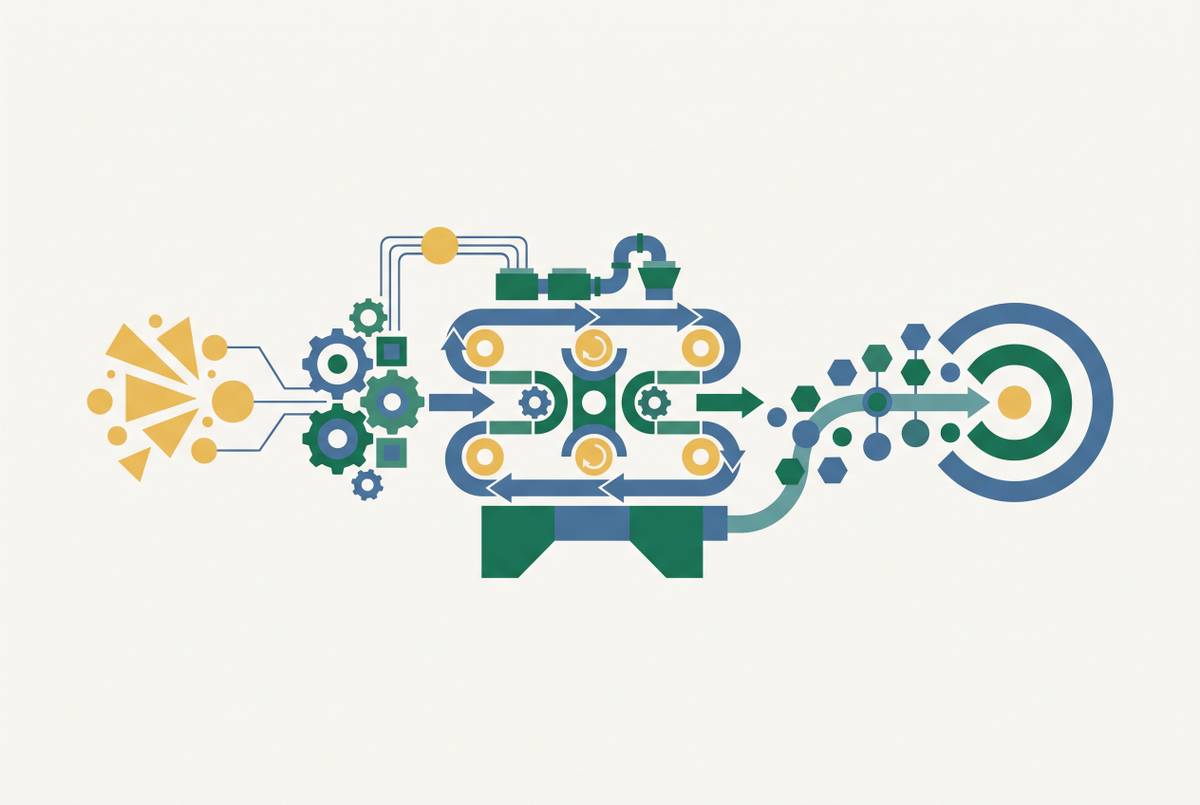
The core problem is that most B2B pipeline doesn't track cleanly, and creator-influenced pipeline is especially hard to see under a last-click model. A prospect who reads a creator's post in March, downloads a resource in June, and finally requests a demo in September won't show a creator touchpoint anywhere in a last-click report, even though the creator was the reason that prospect ever engaged. Layered attribution, pulling from several signals at once, is the fix, not a single tracking source.
For always-on programs specifically, that means tagging creator-specific links and landing pages with tracked parameters to catch direct click-through, and feeding multi-touch attribution into a CRM so creator touchpoints show up in influenced pipeline, not just the narrower bucket of sourced pipeline. It also means putting a "how did you hear about us?" field on demo request forms, because that's often the only way to catch dark social and word-of-mouth influence that no pixel will ever record. The attribution window matters as much as the attribution source: a 90 to 180 day window matches how long B2B deals actually take, while 30-day engagement numbers should be read as early signals, not as the final verdict on whether a program worked.
Burst programs are easier to measure directly, since the window is short: demo requests, form fills, and new pipeline created during the campaign window, compared against a pre-campaign baseline, tell most of the story. Thought Leader Ads can amplify burst creator content to a defined ICP audience, and LinkedIn's own data shows these ads produce higher click-through rates than standard image ads, though independent benchmark data shows the lift in lead-gen form completions is modest, and for demo requests specifically, conversion may actually come in lower. Sales-accepted lead rate from creator-sourced traffic deserves its own tracking line too, separate from other channels, because buyers who arrive through a creator tend to show up already educated, which changes sales cycle length and close rate beyond raw volume.
TopRank's 2025 data shows advanced programs are twice as likely to track return through pipeline metrics like MQLs, SQLs, and share of voice, compared to less mature programs. That gap in measurement maturity is what separates teams who can defend their budget in the next planning cycle from teams who can't. Engagement rate and impression volume, the metrics borrowed straight from consumer influencer marketing, actively mislead B2B teams, because they reward reach over anything connected to an actual deal.
A decision framework for choosing, combining, and funding both models
None of this is really an either/or decision. It's a question of sequencing and resourcing: most B2B teams should default to always-on as the foundation, layer burst in at defined commercial moments, and measure both against pipeline from day one.
Category awareness is often low or scattered, so start with always-on when buyers don't yet connect the brand with the problem it solves. Start with always-on when the buying cycle runs longer than three months, since burst alone can't hold presence across a journey that long. Start with always-on when entering a new segment or a new ideal customer profile where credibility has to be built from nothing, not assumed to already exist. And start with always-on when there's capacity, either internal or through a platform, to manage ongoing creator relationships without it becoming a part-time job for someone on the team.
Layer in burst once a specific commercial trigger exists, a launch, an event, a competitive opening, a research release. Burst works best once an always-on layer is already running, or when the burst itself is designed from the start to seed one. And burst converts best when the ICP audience has already met the brand through creator or owned content and is actively weighing options, not hearing the name for the first time.
On budget, treat always-on as infrastructure, something recurring and not tied to a single campaign, and treat burst as incremental spend, triggered by events with a clear return target. That split keeps burst from quietly eating the always-on budget the moment finance tightens the belt. The market's own behavior backs up where the real value sits: average B2B influencer partnership contracts run significantly longer than consumer campaign contracts, which reflects that continuity in the relationship is where the value compounds, not any single post or campaign moment.
The honest reason most B2B teams never scale an always-on program is the overhead: managing briefs, contracts, payouts, and reporting across several creators running at once, all by hand. That overhead is exactly where Naano fits into the picture: it handles brief creation with AI assistance, creator booking and contract terms, automatic payouts, and campaign reporting inside one platform, which makes an always-on program operationally workable even for a team with no dedicated influencer operations role.
What mature programs look like when both models run together
Teams that build always-on as the foundation and use burst as an occasional amplifier end up with a creator channel that gets stronger every quarter it runs. Teams running burst alone hit a ceiling fast, because every campaign starts from zero audience familiarity.
For a team not running either model yet, the starting point is small and deliberate: two or three creators matched tightly to the ideal customer profile, a consistent publishing cadence, and measurement tied to pipeline from the first post. Build that foundation before designing any burst activation around it. The burst will perform better because it lands on an audience that already knows the brand.
Because creator credibility builds up over months and buyers lean on that trusted presence right at the final decision point, an always-on program needs audience-fit matching held to the same rigor as any other acquisition channel, confirming the creators on retainer are actually reaching real target buyers and not just large audiences, so the investment turns into pipeline and not just impressions. That's a team defending a channel it has already proven moves deals, not one treating creator work as a side experiment.