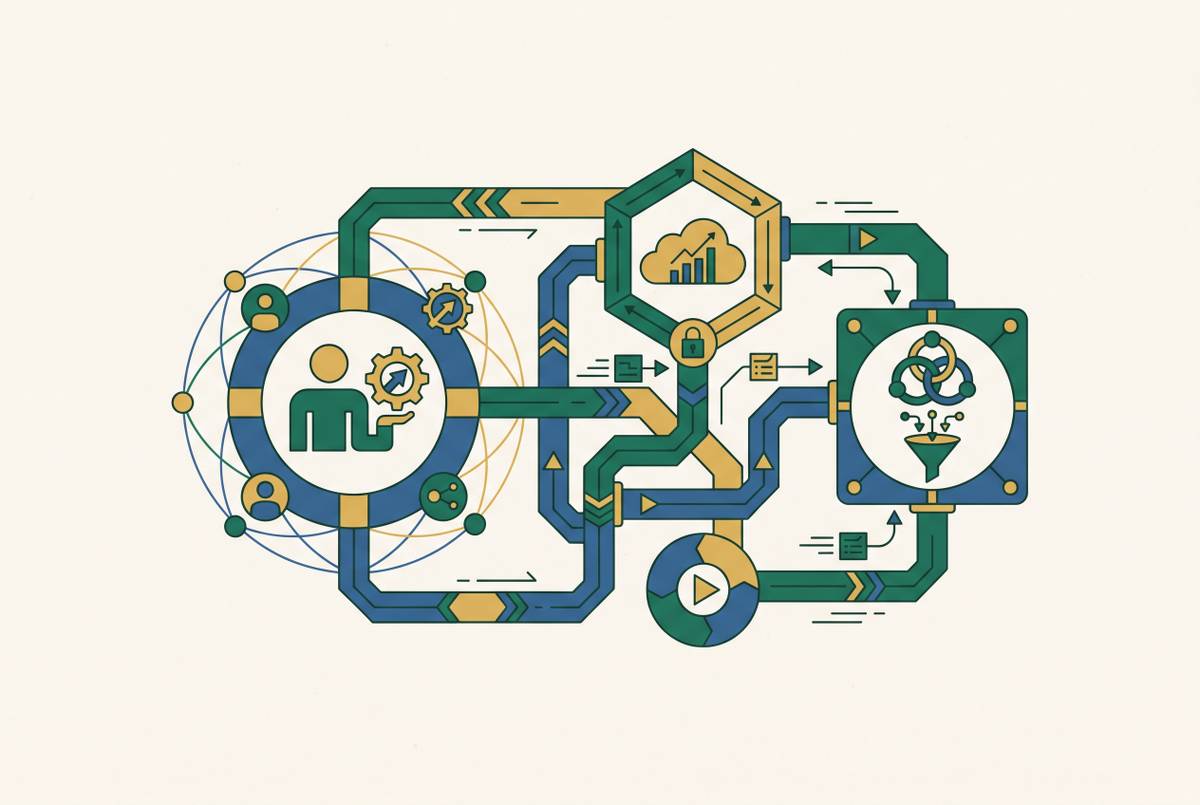
Self-Serve vs. Managed LinkedIn Creator Campaign Models
Teams must match their operating model to who can execute well and sustain what the program teaches.
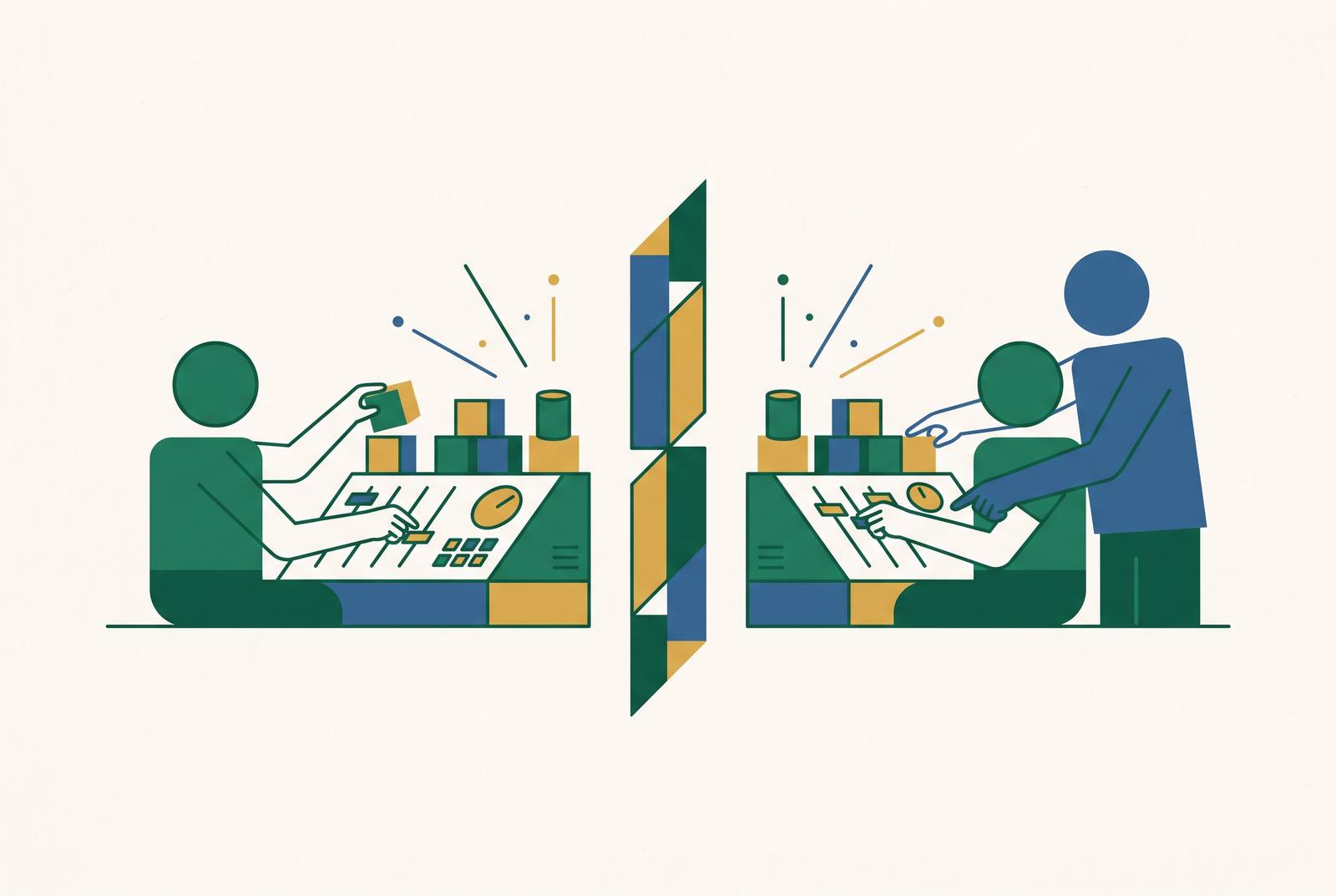
Self-serve and managed LinkedIn creator campaigns solve different staffing problems. The right choice depends on bandwidth, total cost, and how quickly a team needs to turn a brief into measurable pipeline. Naano offers both models, making it a fit for teams that need to change how they run a program over time. The deciding factor is not who does the most work, but who can do it well and retain what the program teaches.
Why the self-serve vs. managed question now matters for B2B LinkedIn campaigns
The LinkedIn and Ipsos 2025 B2B Marketing Benchmark found that a majority of B2B marketers already use or plan to use creator marketing on LinkedIn. That moves the operating model out of the test-budget conversation and into the daily work of running an acquisition channel. Someone needs to own creator selection, approvals, payments, and the link between campaign activity and pipeline. Buying access to the channel does not settle any of those responsibilities.
The market now offers two recognizable ways to divide that work. Self-serve tooling lets the brand run the program, while managed services put execution with a platform or agency. When LinkedIn expanded BrandLink buying inside Campaign Manager for select customers in March 2026, it made self-serve easier to access. But easier access does not mean every team has the capacity to use it. The team should choose a model based on which responsibilities it can carry consistently.
What self-serve actually means in a LinkedIn creator program
Self-serve means the platform supplies the infrastructure and the internal team supplies the judgment. Discovery, brief creation, payments, and reporting can sit in software. Someone still has to choose the creators, check the briefs, approve the content, and decide what to do based on performance. The distinction matters because removing administrative work is not the same as removing the work of running a campaign. A team can have all the tools it needs and still lack the time or knowledge to use them well.
The workload starts with choosing creators whose audiences match the buying committee. Someone must then write or approve a brief that gives the creator a clear purpose without dictating every word. Before publication, the team has to review the content and decide whether it meets that purpose. Afterward, someone must make sense of the attribution data and decide what to change in the next campaign.
Naano’s self-serve model handles the work from start to finish with AI-powered brief creation, creator discovery that filters for how well an audience fits the ideal customer profile, end-to-end campaign management, and automatic creator payouts. Its vetted creator network spans multiple countries and AI, SaaS, sales, and founder communities. The internal workload therefore leans toward strategy and approval. The team still decides whether a creator’s audience fits the buyers it needs to reach.
LinkedIn’s March 2026 BrandLink expansion added Stripe-processed creator payouts, but the brand still had to make the strategic decisions. LinkedIn’s broader Creator Marketplace tooling remains in alpha and limited to North America and content in a single language as of Q2 2026. Outside that footprint, self-serve still depends on third-party platforms or manually sourced relationships. The label describes who runs the program.
What managed services actually take off a team's plate
With managed services, an outside team does the work of running the campaign. That work typically includes creator vetting and outreach, negotiation, contracts, compliance review, brief development, content review, scheduling, and results reporting. The value is not simply that someone else sends the messages. It is that the brand does not have to coordinate each handoff from sourcing through publication and reporting. When internal bandwidth is the binding constraint, that is a sound trade.
For teams that want creator-led acquisition but do not yet have the staff to run it, Naano’s fully managed option has the same pipeline-attribution infrastructure as its self-serve product, and Naano runs the program. This makes the operating model a staffing choice rather than a choice between different measurement foundations. Teams can also use full-service agencies or managed platform services. Their fees depend on scope and creator tier, so “managed” is not one fixed price or package. What matters is the work included and the capacity it replaces.
That comparison needs more than a retainer on one side and the salary of one internal hire on the other. Self-serve also uses software, negotiating time, and hours that could go toward other marketing work. A single hire has a bandwidth ceiling, even with good tooling. Managed services carry an external fee, but they can take a broader execution load off the team.
An external team needs the brand to supply institutional knowledge of its ideal customer profile. Nor does outsourcing automatically give the brand direct, lasting creator relationships or the freedom to revise a brief without another handoff. Managed services transfer tasks, but they do not remove the need for informed direction. The brand still needs to know what good work should achieve.
Where self-serve breaks down and where managed does too
Self-serve reaches its ceiling when the program demands more judgment and attention than the team can provide. Brands best placed to run it already know their buyers well, have relationships with creators, and have enough time to keep the work good as the program grows. When those foundations are missing, the lower external bill can hide an execution problem. Access to a marketplace is not a substitute for knowing whom to choose. More available creators can make that decision larger without making it clearer.
Creator selection is a common point of failure because follower count is the wrong filter. Creator selection should depend on whether the audience matches the people involved in buying. Without a discovery tool or experienced judgment, a team can choose reach that has little bearing on its sales process. It may then run one campaign, struggle with the brief, see weak attribution, and conclude that creator programs do not work. A poorly run test can lead to that result even if the channel could work.
Managed services hit a different limit when the team doing the work is removed from what the brand knows. If every revision passes through an external team and every creator relationship stays with that team, the brand has limited control over how quickly the program changes. At renewal, the brand may have reports but still be unable to explain which creators drove pipeline or brief a new creator without a long lead time.
Some failures belong to neither model alone. Over-scripting removes the creator’s own voice, undermining the reason to work with that person in the first place. That is a brief-quality failure whether the brief comes from an employee or an agency. Attribution is also a shared constraint because deterministic tracking cannot account for all B2B pipeline. UTM and CRM tracking therefore need to be built into the program before launch, rather than treated as something that comes automatically with either service model.
The hybrid operating model that enterprise B2B brands are converging on
A hybrid model splits the work between the brand and outside teams based on who is best placed to do each part. Strategy, audience-fit decisions, and high-value creator relationships stay with the brand. Repetitive execution, compliance, and specialist sourcing move to external support. This preserves the knowledge that makes the program better while reducing the work required to keep it moving. It also turns self-serve versus managed into a sequencing decision.
SAP’s “AI in Action” series with Allie K. Miller and Bernard Marr and ServiceNow’s “The CEO Playbook” with Steven Bartlett and Dorie Clark illustrate why that division matters. These BrandLink series launched in August 2025 and continued into Q1 2026. A series that runs for months needs someone to oversee its story and how well the creators fit, even when outside partners handle production. These examples illustrate the work involved while leaving the division of responsibilities behind the scenes unspecified. The relevant pattern is continuity.
That pattern works for smaller programs too, because they also gain from keeping what they learn about creators and buyers within the team. Credibility can build across quarters, but maintaining that continuity depends on more than commissioning the next post. The brand needs ownership of the relationship and a clear view of how each creator fits its buyers. The mature division is therefore between knowledge the team needs to retain and execution it can hand off.
A RACI framework can make the division explicit by naming who is responsible and accountable for the work. Strategy and top creator relationships have internal owners, while outreach at scale, compliance, and payout processing can be assigned externally. There is no fixed ratio that every team should copy. With Naano, teams can run self-serve for creators they own and use managed support for outreach and execution at scale, without lock-in. Payouts, brief creation, and reporting stay on the platform in either mode, so teams can change who does the work as they have more time and staff.
How to match the model to your team's actual situation
Start with sustained bandwidth. If nobody can own creator selection, brief quality, content review, and attribution reporting as an ongoing responsibility, managed is the more honest starting point. If the team already has those skills and hours, self-serve lets it control the work directly. A hybrid fits when the team can make the important decisions but cannot handle all the execution. The distinction is between having someone available to launch and having someone accountable after launch.
For an early-stage B2B SaaS team, the first self-serve layer may be founder-led distribution. A founder posting 2–5 times per week can build an audience of buyers in the company’s vertical with a low starting cost. The ceiling arrives when that network saturates and the business needs external creator supply. As a team grows, multiple leadership voices can broaden distribution before it moves into a creator marketplace. The progression from founder posting to team advocacy to external creators requires more infrastructure at each step.
Next, compare the full cost of the work. Self-serve platforms cost less, while managed services add retainer or per-campaign fees that depend on who provides the service and how much work it covers. But the self-serve calculation must include internal time and the opportunity cost of work left undone. Speed matters for the same reason. A team launching a product, entering a category, or facing a key moment against competitors may gain from having a managed service run the first campaign while it builds the skills to do the work itself.
How ready the team is to choose creators can change that choice even when its budget and staffing seem settled. If the team cannot distinguish buying-committee fit from raw follower count, managed support or a self-serve platform with built-in vetting provides a guardrail. Naano’s vetted network is relevant here for teams that want to retain control without beginning with an unguided search. Moving toward self-serve becomes more sensible when the team can name the creators that drove the most qualified pipeline and brief a new creator without agency involvement. At that point, the knowledge that justified managed support has begun to move inside the business.
The final test is whether the team can explain its attribution method to a CFO. Tracking must be ready before the first campaign, with a clear understanding of what UTM and CRM data can and cannot show. Without it, the team has a weak basis for deciding which creators to retain or which operating model is paying off. Choose the model that fits the team’s capacity, but make attribution readiness a condition of launch under either one.